
By Go Locate · Sources checked 13 October 2026
The best place to live in your 20s is somewhere you can afford while keeping the work, people and things you love doing within reach. That could be a London flatshare, a home near a suburban station or a town where you actually spend your weekends.
This guide is for younger adults, including Gen Z renters and first-time buyers. It is an editorial shortlist, not a measured ranking of the most popular areas with Gen Z. You do not have to like the same things as everyone your age, and the week-in-the-life ideas below are suggestions based on official venue pages, not reviews of visits we have made.
Start with the life you want, then the area
Pick your three priorities before browsing listings. They might be a short commute, friends nearby, room to work from home, places to eat, live music, a gym or park run, or money left over each month.
Our shortlist is Stratford, Walthamstow, Peckham, Deptford, Croydon, Reading, Guildford and Chelmsford. It combines five London areas with three places outside Greater London so you can compare a city neighbourhood with a separate town or city base.
The suggestions below use transport and local venue information. They do not assert that an area is cheap, safe for everyone, a guaranteed investment or suitable for every younger person.
The quick comparison
| Area | What a week could include | Transport to investigate | The trade-off to test |
|---|---|---|---|
| Stratford | Park runs and pools at the Olympic Park, museum and dance at East Bank | Elizabeth, Central and Jubilee lines, DLR and Overground | What your actual building and walk to the station feel like |
| Walthamstow | A long street market, a free gallery in Lloyd Park and the Wetlands | Walthamstow Central and your address's nearest station | “Walthamstow” covers more than the station neighbourhood |
| Peckham | Food, music and events at Peckham Levels, free art at South London Gallery | Peckham Rye and the Windrush line | Your specific office route and late return |
| Deptford | Market shopping on the high street and shows at The Albany | Deptford station; do not confuse it with Deptford Bridge | The station that really serves the home |
| Croydon | Surrey Street Market and concerts or comedy at Fairfield Halls | East Croydon to London Bridge or Victoria | Micro-location and which station is convenient |
| Reading | Street food and music, a free town-hall museum, a local arts programme | GWR to Paddington and the Elizabeth line | Travel cost and how often you will return to London |
| Guildford | River walks, a riverside theatre and a monthly farmers' market | Guildford to Waterloo | Whether your friends and evenings fit the location |
| Chelmsford | City-centre food and cinema, a pool and ice rink, Hylands parkland | Greater Anglia to Liverpool Street | The full cost and timing of office and social trips |
London neighbourhoods to compare
Stratford: a park built for sport, and a new cultural quarter
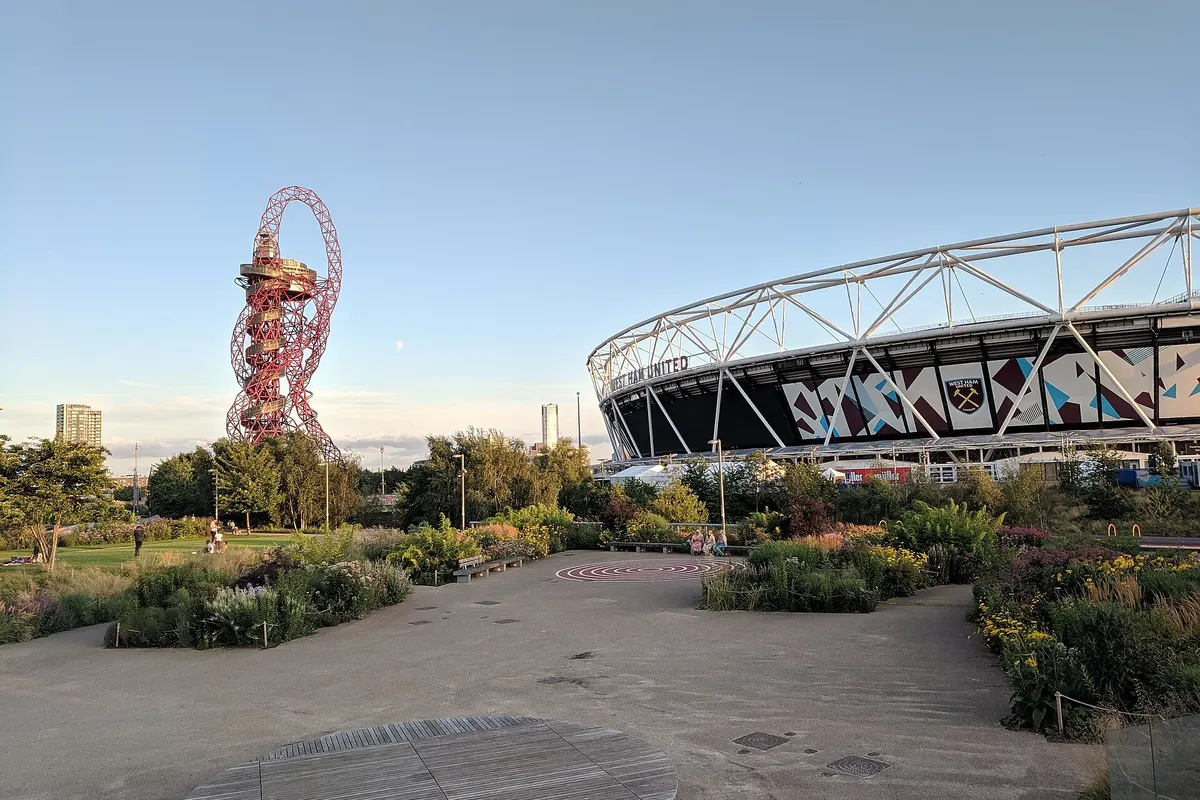
Stratford gives you serious options for staying active. Queen Elizabeth Olympic Park (opens in a new tab) lists ways to keep fit in and around the park, from running routes to swimming and other sports venues. Beside it, East Bank (opens in a new tab) is a growing cultural quarter: V&A East's museum and Storehouse and Sadler's Wells East are part of it, with BBC Music Studios not due until 2027.
A week here could look like: an early run or swim before work, a dance performance at Sadler's Wells East midweek, and a weekend browsing the V&A East collections.
The trade-off: transport choice and big venues do not tell you about a flat's noise, light, layout or running costs. Visit the exact building at a normal weekday time.
Walthamstow: market food, a free gallery and wetland walks
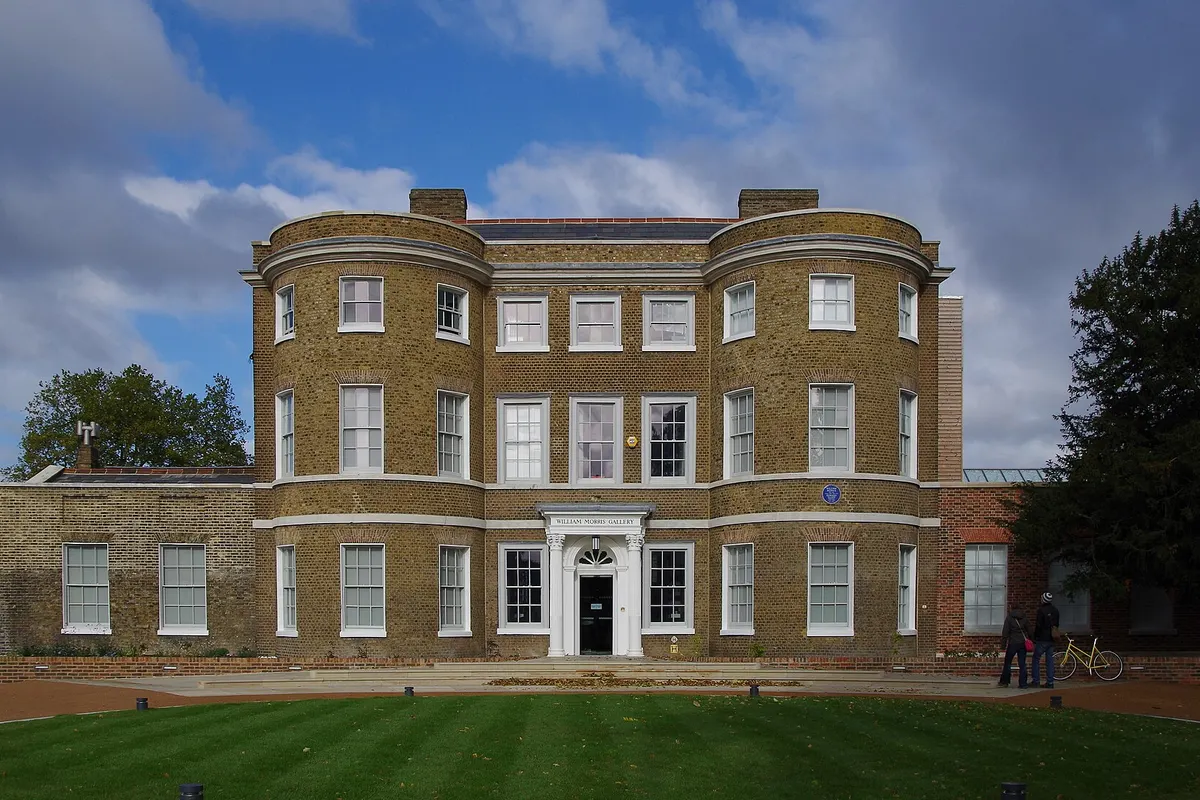
Walthamstow mixes everyday buzz with green space. Walthamstow Market (opens in a new tab) runs along the high street and is a good place to pick up food and browse. The William Morris Gallery (opens in a new tab) is a free gallery set in Lloyd Park, so art and a walk can easily share an afternoon. For something quieter, Walthamstow Wetlands (opens in a new tab) offers reservoir walks with their own entrances and visiting arrangements.
A week here could look like: grabbing lunch at the market on Saturday, an exhibition and coffee in Lloyd Park, and a Sunday morning walk at the Wetlands.
The trade-off: a home advertised as Walthamstow may be served by a different station than the one you pictured. Map your walk to transport, friends and outdoor places separately; none should be assumed to be on the doorstep.
Peckham: food, music and free art
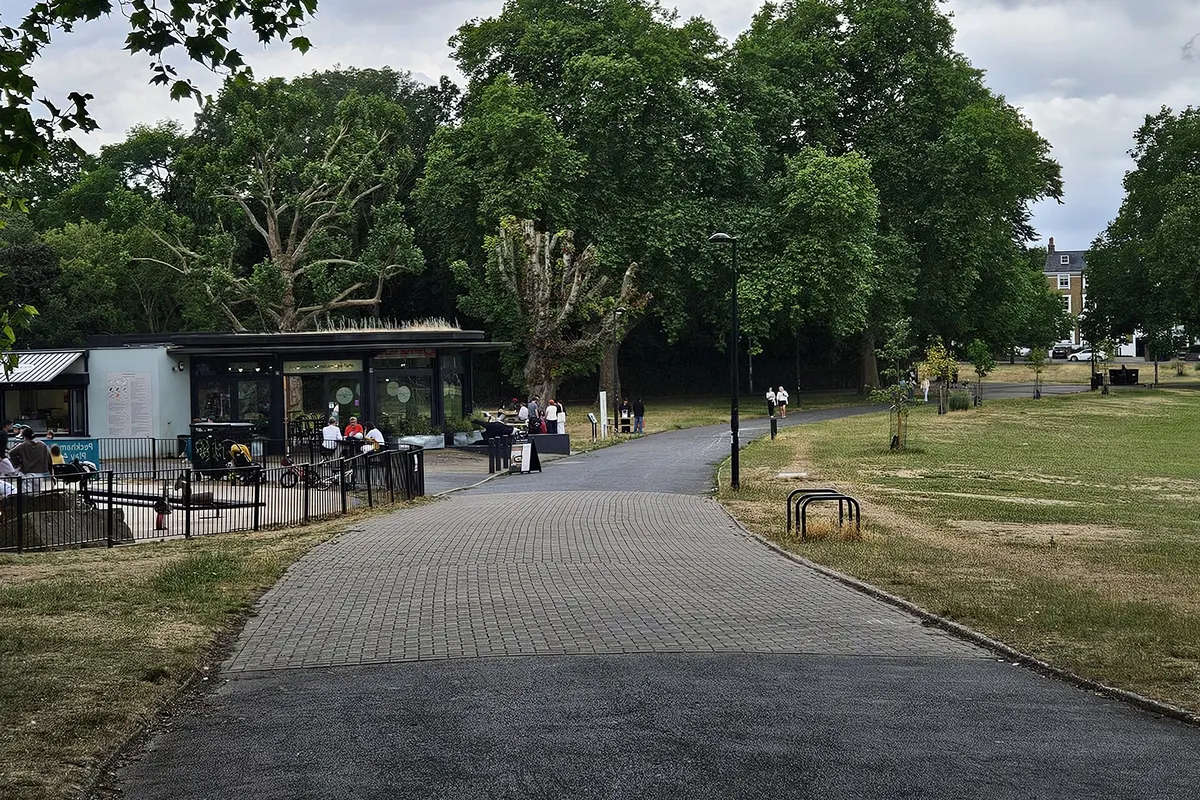
Peckham suits people who like culture close to home. Peckham Levels (opens in a new tab) hosts food, events, music and art, so there is usually something to plan an evening around. Nearby, the South London Gallery (opens in a new tab) is a free arts destination on Peckham Road, good for an unhurried weekend visit.
A week here could look like: dinner with friends at Peckham Levels, a gig or event listed on its programme, then a gallery visit on Sunday.
The trade-off: a lively venue does not make every street a nightlife area, and lively does not mean safe or unsafe either way. Visit the specific street in the evening and on a weekday morning before deciding.
Deptford: a working high street and an arts centre
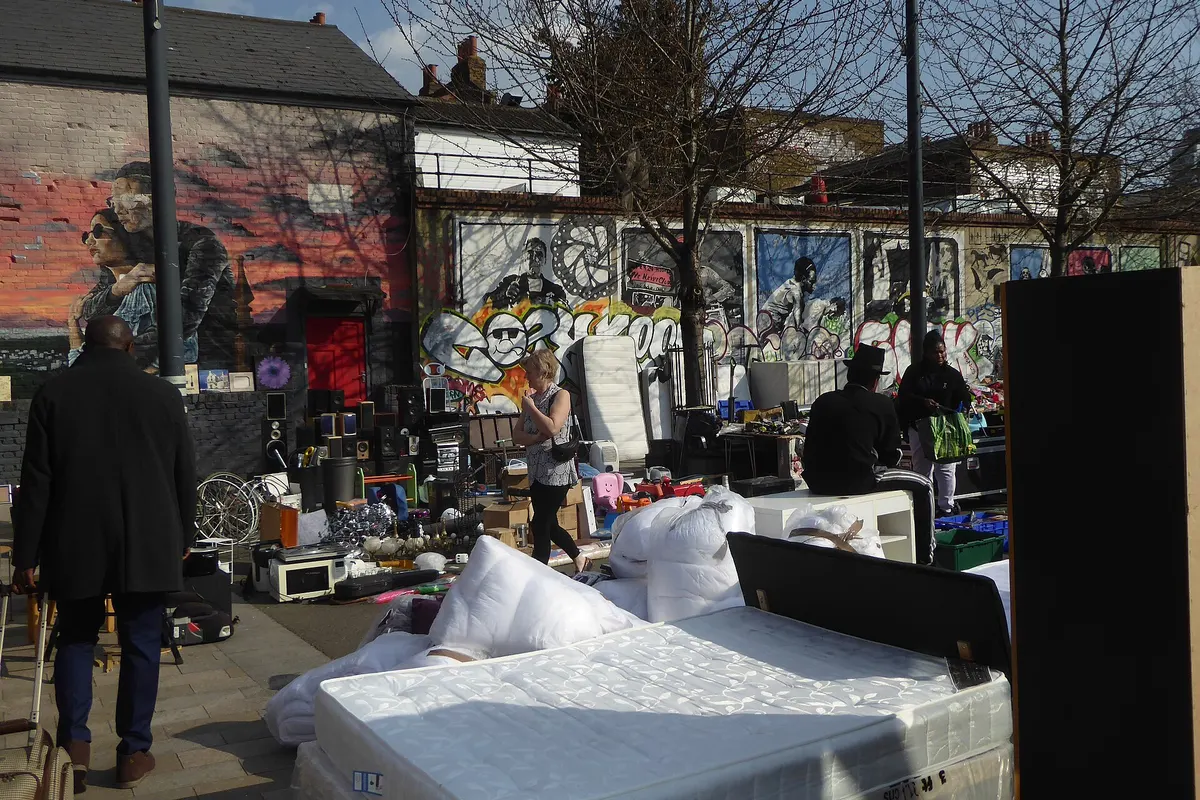
Deptford is about everyday life done well. Lewisham council describes Deptford's markets (opens in a new tab), including fresh food on the high street, which makes cooking on a budget feel more like a pleasure than a chore. The Albany (opens in a new tab) is the local arts centre, staging performances, and it has its own café (opens in a new tab) for a coffee or a laptop morning.
A week here could look like: stocking up at the market on Saturday, a show at The Albany one evening, and a café break between remote-work calls.
The trade-off: compare Deptford with other areas serving your office rather than relying on a broad “south-east London” search. For each listing, check the walk to the service you would actually use.
Croydon: a historic market and a major concert hall

Croydon has more going on than its train connections. Surrey Street Market (opens in a new tab) is a long-running council market in the town centre, useful for fresh food. Fairfield Halls (opens in a new tab) is a large performance venue for concerts, comedy and shows, so a big night out does not always mean a trip into central London.
A week here could look like: a market shop for the week's food, a comedy night or concert at Fairfield Halls, and a quieter weekend in your own neighbourhood.
The trade-off: treat Croydon as several possible neighbourhoods, not one uniform choice. Test the exact street, building and station walk, and judge value using comparable current homes, not the assumption that outer London is always cheaper.
Places outside London that could still fit
Reading: street food, local history and its own arts scene
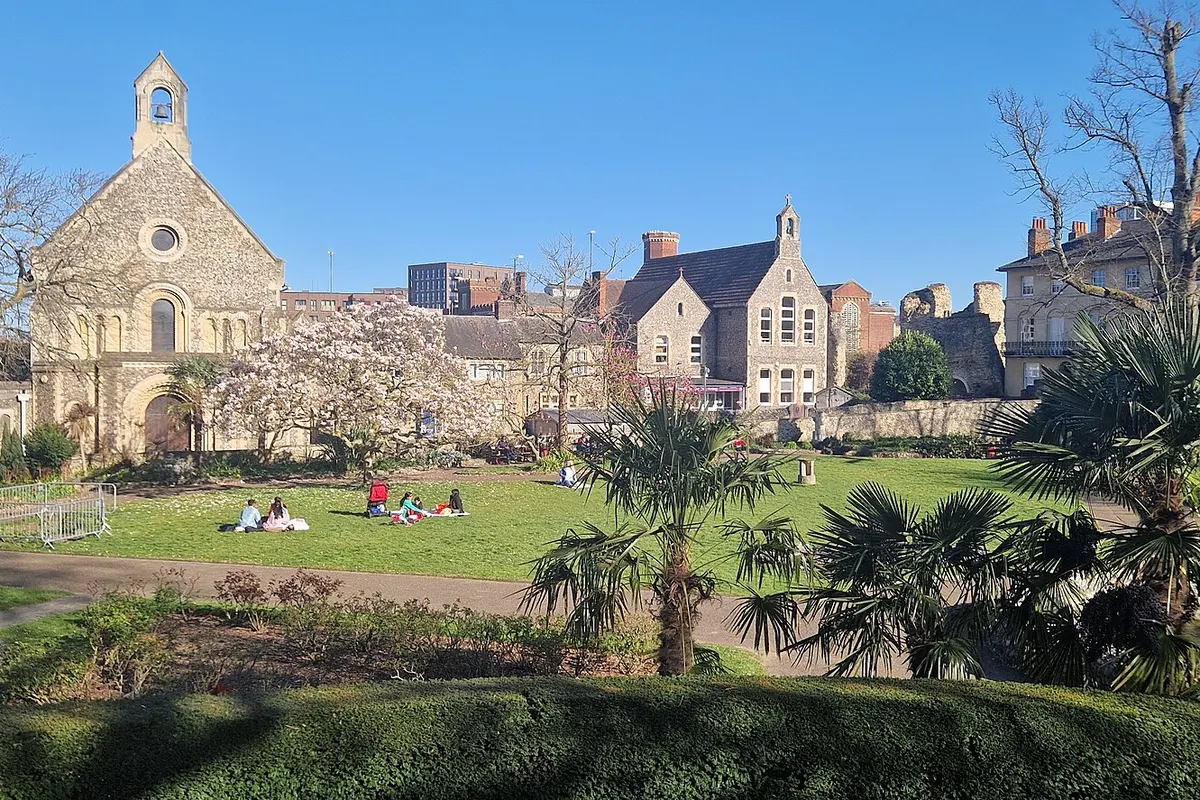
Reading works best if you want a social life there, not only a commute out. Blue Collar Corner (opens in a new tab) brings together street food and music. Reading Museum (opens in a new tab), in the town hall, covers local history and displays a full-size replica of the Bayeux Tapestry. What's On Reading (opens in a new tab) lists the wider arts and cultural programme.
A week here could look like: street food with friends on Friday, a free museum visit at the weekend, and a show picked from the local listings.
The trade-off: price the services you would use for work and friends, including evening trips. A good commute on two office days does not settle it if most of your social week is elsewhere.
Guildford: river runs, theatre and market days
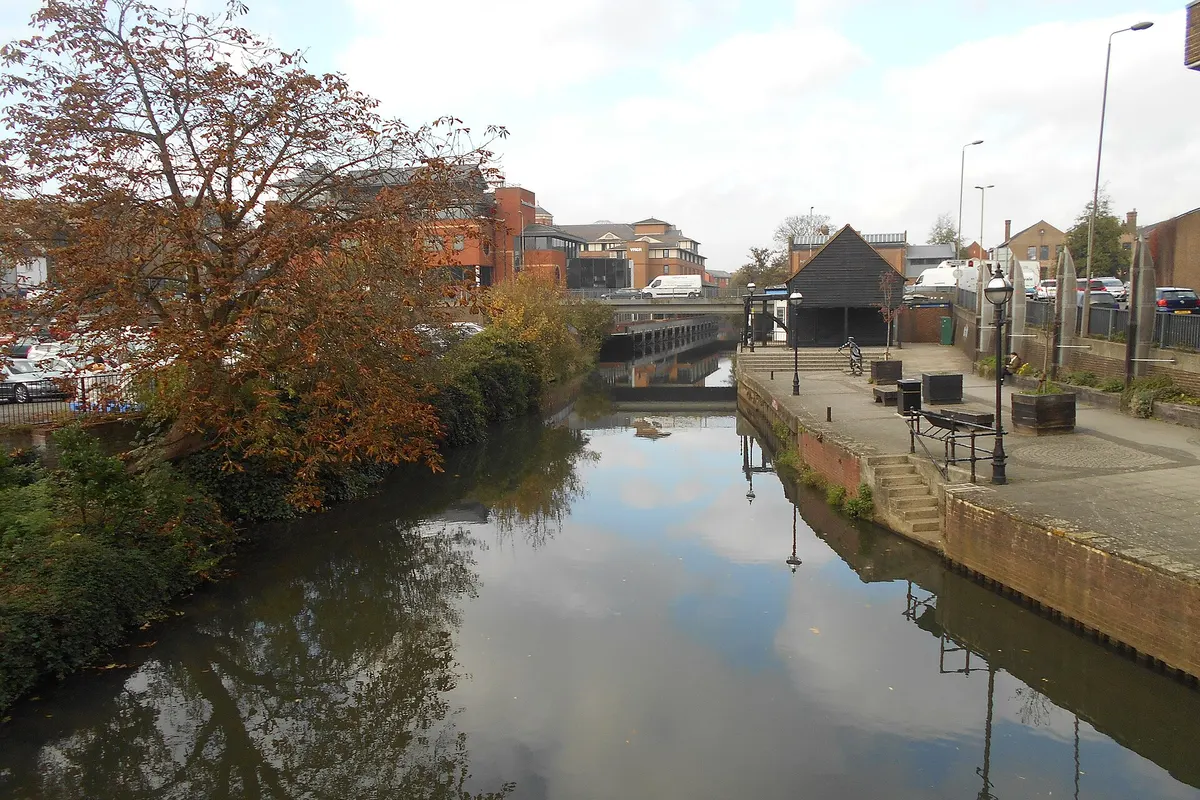
For someone in their 20s, Guildford is a town where outdoor time and evenings out can share the same week. Run or walk along the River Wey (opens in a new tab), use Stoke Park (opens in a new tab) for exercise, and check the riverside Yvonne Arnaud Theatre (opens in a new tab) for shows.
A week here could look like: an evening riverside run, a play at the Yvonne Arnaud, and the High Street farmers' market (opens in a new tab) on one of its set dates.
The trade-off: ask whether your friends and evenings would really be local. A town outside London should not automatically be treated as a low-cost option once regular trips back are priced in.
Chelmsford: a compact city with plenty to do

Chelmsford is a city where daily life can be pleasantly simple. The Bond Street (opens in a new tab) development combines shops with a cinema and a range of places to eat and drink (opens in a new tab). Riverside Leisure Centre (opens in a new tab) has swimming and an ice rink, and Central Park (opens in a new tab) gives you green space in the centre. Further out, Hylands Estate (opens in a new tab) offers open parkland for a weekend walk.
A week here could look like: an after-work swim, dinner and a film at Bond Street, and a Sunday walk at Hylands.
The trade-off: include it if your office and friends fit that eastern approach to London. Add travel costs and realistic return times before deciding whether moving farther out leaves you better off.
Compare total monthly cost, not just rent
Use the same basis for every option: a room against a room, or a whole property against a whole property. Check which bills are included. Then add your council tax share where payable, utilities, internet and expected travel. Keep deposits and moving costs separate from the monthly total.
Here is a hypothetical example, not current market rent data:
| Monthly item | London flatshare | Commuter-town flatshare |
|---|---|---|
| Rent | £1,050 | £800 |
| Bills and council tax share | £150 | £150 |
| Work and social travel | £140 | £390 |
| Total | £1,340 | £1,340 |
In this example the lower rent does not reduce total monthly spending. Your own result may be very different. Use current listings and fares for your days of travel; do not assume a railcard discount applies to every commute.
For broader context, the ONS local housing tool (opens in a new tab) provides local house-price and rental information. A local-authority average is not a quote for a particular room, street or property.
Give each shortlist area a normal-day test
- Run the weekday journey. Start at the home, not the station. Include the walk at both ends and any change.
- Plan a real evening. Pick somewhere you meet friends and check the return journey, including the last practical service.
- Check one ordinary weekend. Could you reach groceries, exercise and something you enjoy without a major trip?
- Inspect the home itself. Look at noise, daylight, workspace and broadband availability for the address.
- Compare against your current life. Write down what improves, what becomes harder and whether the total cost fits.
Night transport, access and services vary by route and day. Check your plan with TfL (opens in a new tab) or the relevant train operator. A station-wide punctuality figure is useful context, but it is not a prediction of your particular journey.
Common questions
What are the best areas near London for young professionals?
Reading, Guildford and Chelmsford are three places outside Greater London to compare with London neighbourhoods such as Stratford, Walthamstow, Peckham, Deptford and Croydon. The right choice depends on your workplace, housing budget and where you spend time outside work.
Is it cheaper to live outside London?
It can be, but lower rent alone does not prove lower total spending. Compare like-for-like homes and add commuting, social travel and other costs. Avoid comparing an entire borough's average with a specific flatshare listing.
Which areas are most popular with Gen Z?
This guide does not claim to measure popularity. Establishing that would need a defined age group, recent comparable data and a clear measure, such as moves or rental demand. A place's social-media reputation is not enough to decide whether it fits your life.
Compare real homes before you choose an area
When you have two or three locations in mind, check a home with Go Locate. Start with a listing or address and examine the location and journeys that matter to you. You can begin without signing up.
If school runs and family life are part of your next move, explore our Home Counties family commuter guide.